Symptom Guides
Dryer Not Heating? Start Here
By Michael Smith — Head Technician · September 17, 2026 · 7 min read
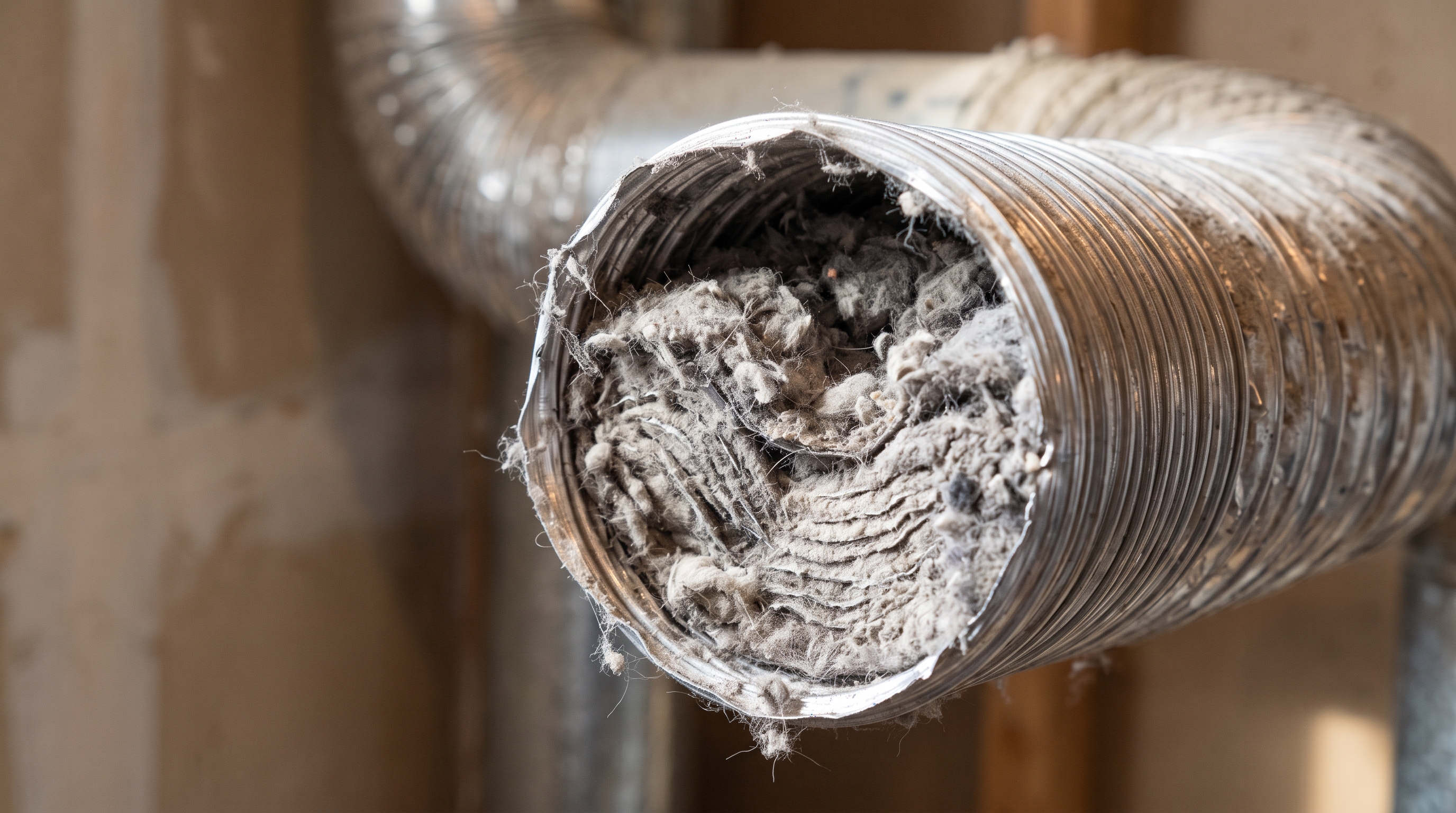
A dryer not heating has usually tripped a thermal fuse, lost a heating element, or is choked by a blocked vent. Blocked venting is the most common cause and the most dangerous, because trapped lint is a fire risk. Clear the full vent run first, then have the fuse and element tested.
Why a Blocked Vent Causes Most Dryer Not Heating Calls
A dryer not heating is one of the few appliance faults where the most common cause is also the easiest to overlook, because the symptom looks electrical rather than mechanical. Of everything that can stop a dryer producing heat, restricted venting is far and away the most frequent, because the symptom looks electrical rather than mechanical. When exhaust airflow is restricted, many dryers' safety systems deliberately cut power to the heating element to prevent overheating. The drum keeps tumbling, so the machine looks alive, but heat never arrives — or arrives briefly and then cuts out partway through the cycle. Owners routinely order a heating element before ever checking whether air is actually moving through the vent at all, and then find the new element behaves exactly like the old one. Start with airflow. It costs nothing to check and it is the answer more often than any single part.
The Lint Fire Risk, Stated Plainly
This is worth being direct about: a blocked dryer vent is a leading cause of home clothes-dryer fires. Lint is highly combustible, and a vent packed with it traps heat right beside the heating element, inside a duct nobody has inspected in years. A dryer taking noticeably longer to dry a normal load, or one whose front panel feels hot to the touch, is already showing early signs of restricted airflow. That is worth addressing before it becomes a no-heat call, and worth addressing immediately if you ever smell anything burning. Treat a long-running dryer as a warning rather than an inconvenience, because the failure mode at the end of that road is not an appliance repair.
Electric Versus Gas: Different Failure Points
Electric Dryers
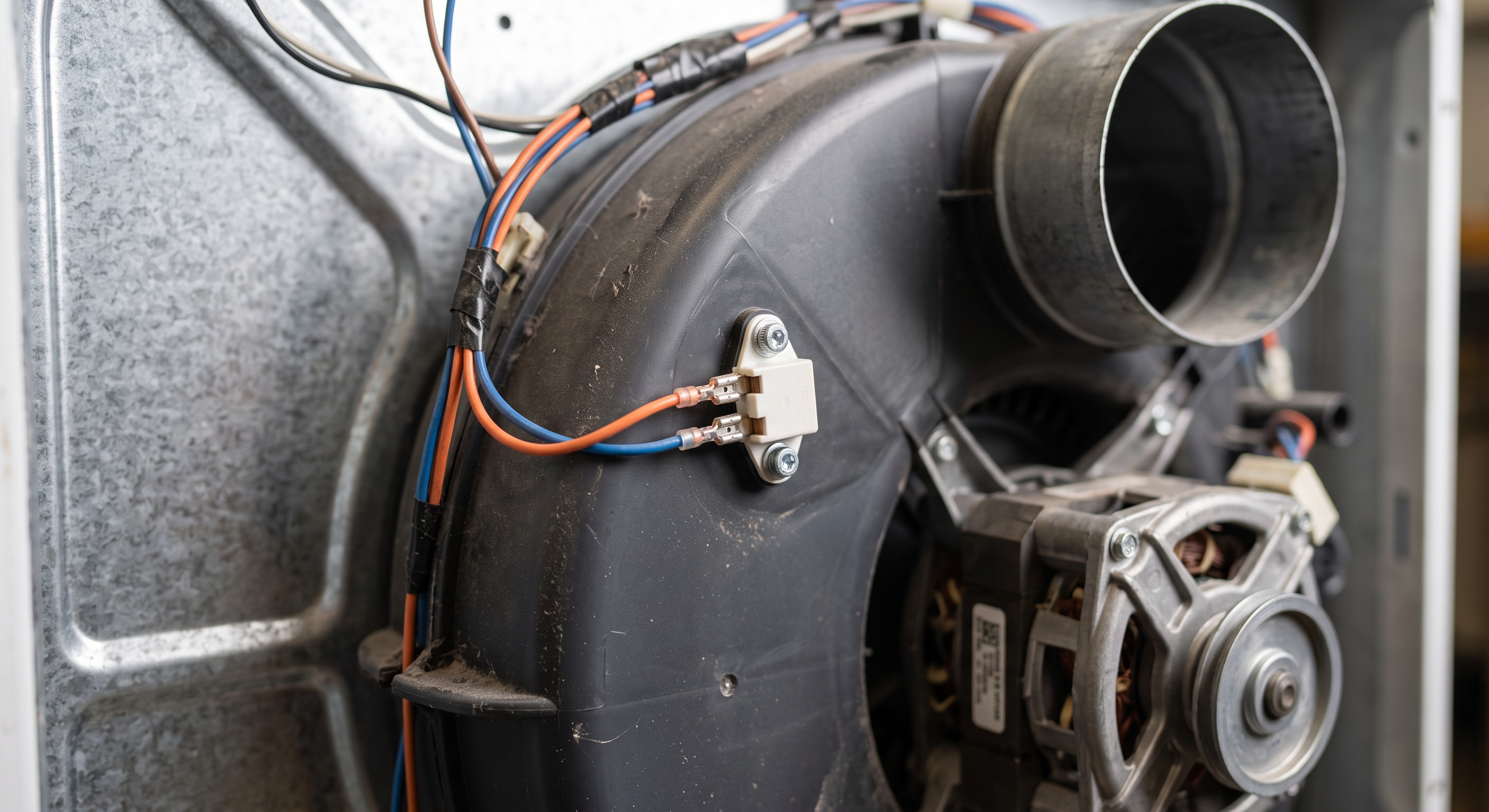
An electric dryer's heat comes from a resistive heating element, similar in principle to a toaster coil, protected by a thermal fuse and a high-limit thermostat that cut power if temperatures climb too high. A visibly broken or blistered element, a tripped thermal fuse, or a failed high-limit thermostat are the three most common electric no-heat causes, roughly in that order. An element can also fail partially, which produces weak heat rather than none — a symptom people often misread as a vent problem.
Gas Dryers
Gas dryers use an electric igniter to light the burner, with gas valve coils that open the fuel supply once the igniter proves hot enough, and a flame sensor that shuts everything down if ignition fails. A weakening igniter is the most common gas-dryer failure: it still glows, but no longer generates enough heat to trigger the valve coils, so gas never flows and no flame ever lights. The classic symptom is a dryer that used to heat intermittently and now never does, with an igniter that visibly glows through the inspection port while nothing else happens.
How to Check the Full Vent Run, Not Just the Back
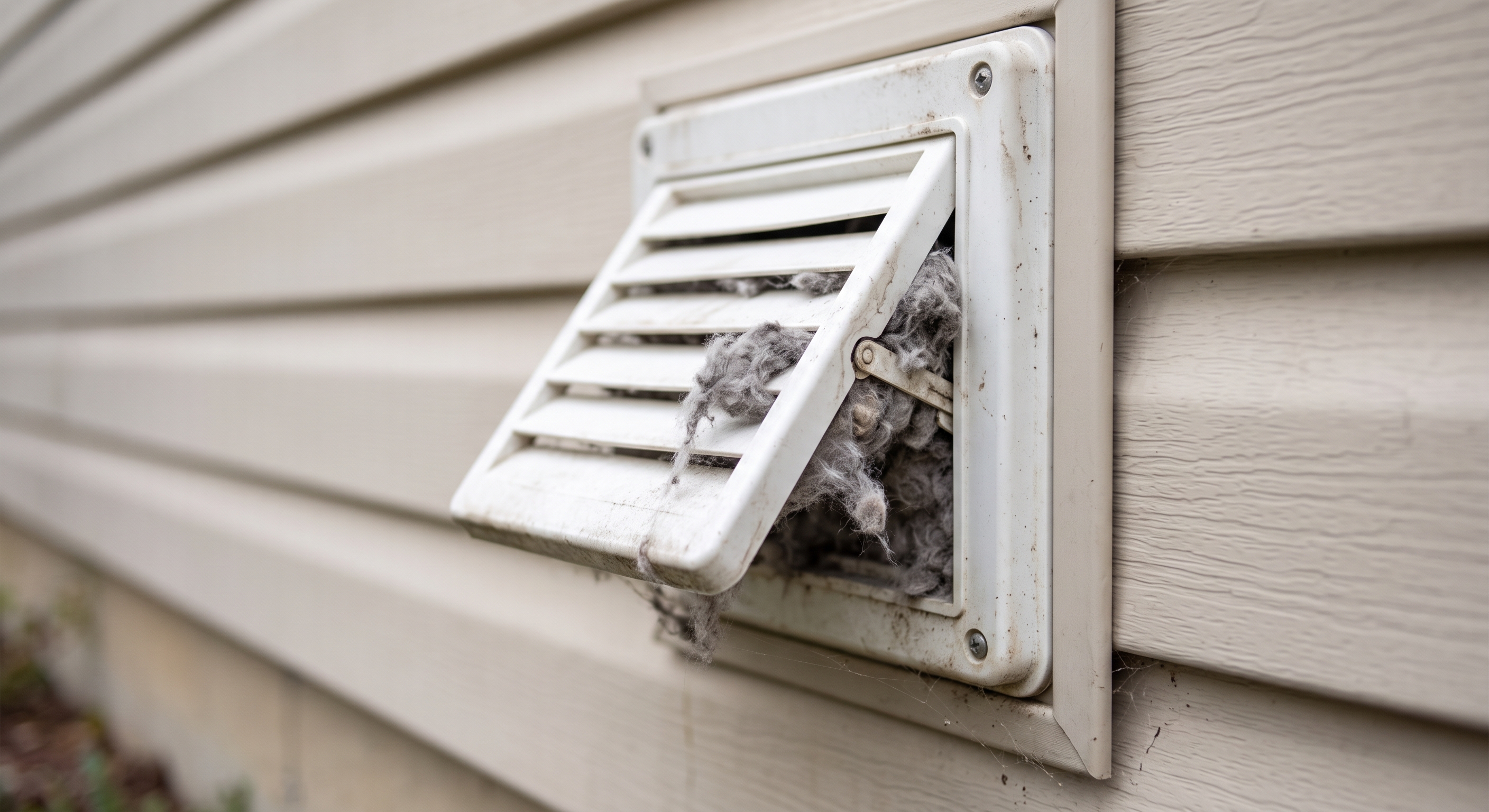
Most people check the four inches of duct visible behind the machine and stop there, but a blockage can sit anywhere along the run: inside a wall, at a roof or side-wall vent hood clogged with lint and bird nesting material, or at a joint where flexible duct sags and traps debris. Disconnect the dryer from the vent and confirm airflow at the machine itself first, then walk outside to the exterior vent hood and check that the flap opens freely and air moves through it while the dryer runs. If the machine blows strongly at its own outlet but nothing reaches the hood outside, the blockage is somewhere in between, and that is a job for a full vent cleaning by someone who can access the whole line rather than just the two ends. A vent run longer than about twenty-five feet, or one with several elbows, is considerably more prone to this.
Why a Replaced Thermal Fuse Fails Again Within Weeks
This is one of the more common repeat-call patterns: someone replaces a blown thermal fuse, the dryer heats again, and a few weeks later it is back to no heat. The fuse was never the actual problem. It is a safety device that blew because the dryer was overheating, and it was overheating almost always because of restricted airflow that nobody addressed. Replacing the fuse without clearing the vent simply resets the clock until it blows again. Any thermal fuse replacement should come with a full vent inspection, not instead of one — and if a repair quote includes the fuse but says nothing about airflow, that is a fair question to ask before the work starts.
Long Vent Runs in Older Westchester Homes
Housing stock matters more for this problem than for almost any other appliance fault. In older homes across New Rochelle, Mount Vernon and Pelham, laundry frequently sits in a basement or an interior closet rather than against an exterior wall, which means the exhaust has to travel a long way — sometimes up through a chase and out at the roof line. Every additional foot and every elbow slows airflow and gives lint another place to settle. A dryer that worked fine in a previous house with a two-foot vent can struggle badly in a house where the same machine pushes through twenty-five feet and four turns.
Two things follow from that. First, houses with long runs need vent cleaning more often than the once-a-year rule of thumb, not less. Second, rigid metal duct is worth the upgrade over the flexible foil kind wherever it is accessible, because the ribbed interior of flexible duct catches lint the way a filter does. If your laundry is on a second floor or in the middle of the house, assume the vent is a maintenance item with a schedule, not a fitting you install once and forget.
A Realistic Vent Maintenance Schedule
The standard advice is to clean a dryer vent once a year, and that is a reasonable default for a short, straight run serving a household of two. It is not the right interval for everyone. A family of five running a load a day through a long vent with several elbows will pack that duct faster than an annual schedule can keep up with, and pet owners face the same problem for a different reason. The honest rule is to set the interval by symptoms rather than the calendar: if a normal load has started taking two cycles, if the top of the dryer feels hot after a run, or if the laundry room is noticeably humid, the vent is already restricted regardless of when it was last cleaned.
Two habits cost nothing and extend the interval considerably. Clean the lint screen after every single load, and wash the screen itself in warm soapy water a few times a year to remove the invisible film that fabric softener leaves behind — a film that blocks air while the screen still looks perfectly clear. Second, check the exterior vent hood each season, particularly in spring when birds look for nesting sites. A hood flap that no longer closes is letting cold air and animals in; a hood flap that no longer opens is the start of your next no-heat call.
What to Do Today If the Dryer Still Will Not Heat
Work in this order. Clean the lint screen and the slot it sits in, because a screen coated in fabric-softener residue restricts air even when it looks clean. Disconnect and inspect the duct. Check the exterior hood. Run the dryer with the duct disconnected for a few minutes — if it suddenly heats normally, you have confirmed a vent restriction and nothing inside the machine is broken. If it still will not heat with the duct off, the fault is internal, and the next steps require testing continuity on the fuse, element, thermostats or igniter circuit with a meter.
That is the point to book a dryer repair rather than start replacing parts by elimination. A technician can test each component in the heat circuit in a single visit, confirm whether the vent contributed to the failure, and replace the part that actually failed instead of the part that is easiest to reach. Given that the most likely underlying cause is also a fire risk, this is not a fault worth living with for a few more loads.
- dryer
- heating element
- thermal fuse
- dryer vent
- fire safety