Symptom Guides
Washer Not Draining? 6 Causes
By Michael Smith — Head Technician · September 16, 2026 · 7 min read
A washer not draining is usually blocked, not broken. A clogged drain pump filter, a kinked or obstructed drain hose, or a small garment caught in the pump cause most cases. Clear the filter and hose first. A pump that hums without moving water, or a faulty lid switch, needs a technician.
Washer Not Draining? Get the Water Out First
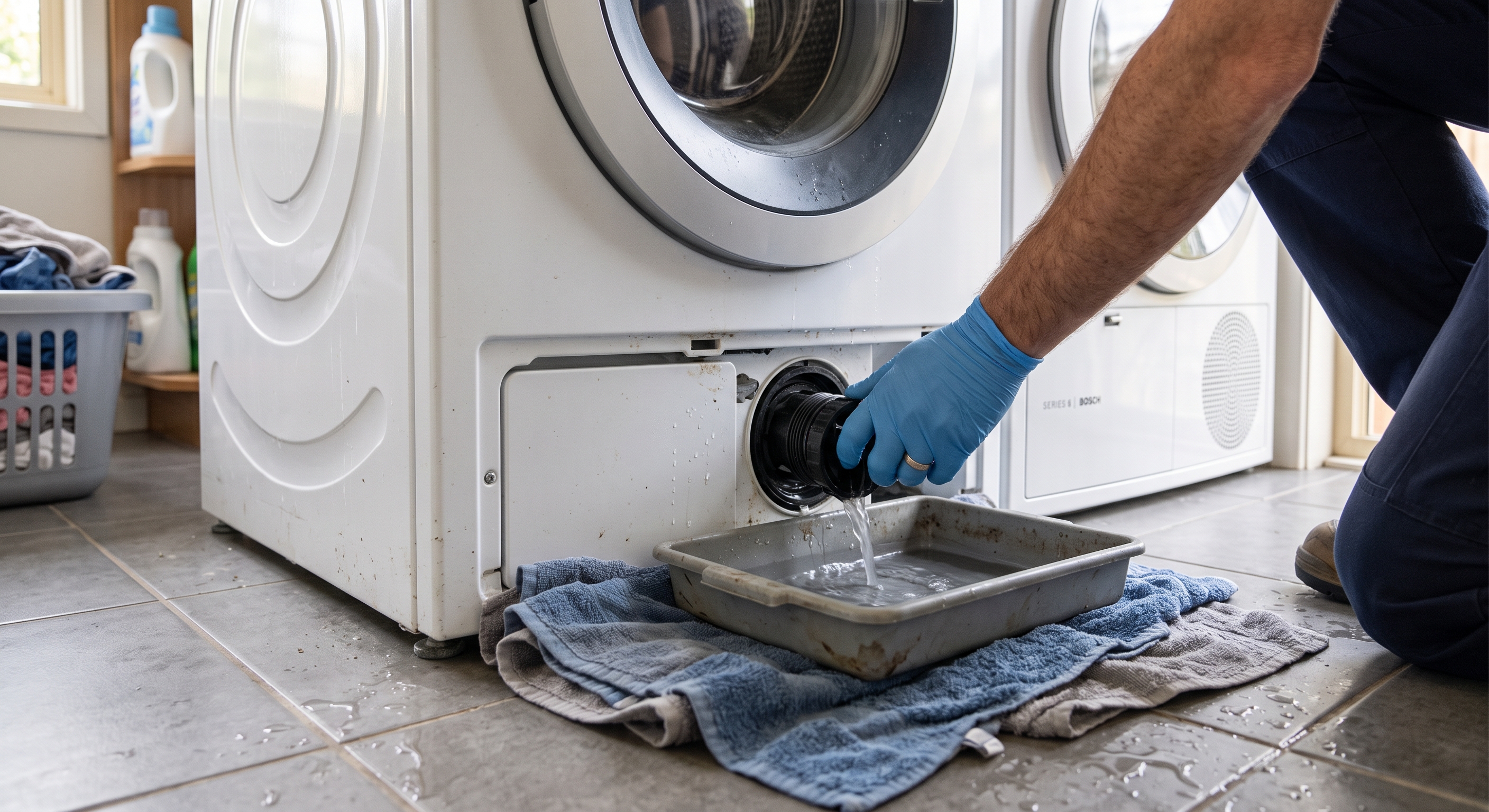
A washer not draining leaves you with a drum full of water and a door that will not open, so the first job is not diagnosis — it is getting the water out safely. Most front-load machines have a small drain hose tucked behind the same lower access panel as the pump filter; it exists for exactly this, and it empties into a shallow pan a few cups at a time. Keep towels down, because even a partial drum holds more water than people expect. On a top-loader you can often bail directly from the tub with a container. Unplug the machine before opening any panel, and if a cycle is still running, cancel it and power the machine off rather than forcing a locked, water-filled door. Once the drum is empty you can actually inspect things, and you avoid the common second problem of a flooded laundry room on top of a broken washer.
The Six Causes, in the Order a Technician Checks Them
The Drain Pump Filter
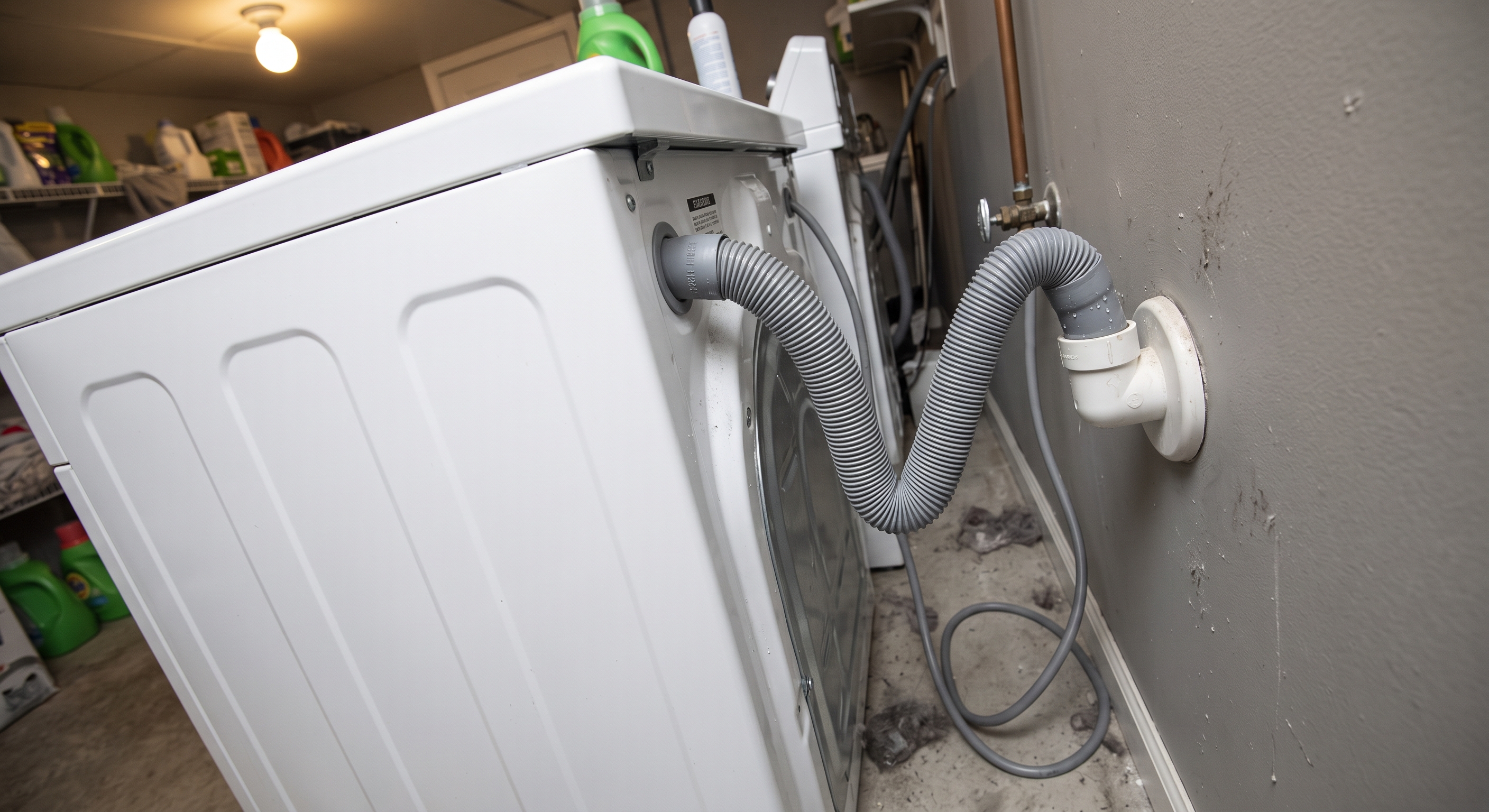
Nearly every modern washing machine, front-load especially, has a small filter that catches lint, coins, buttons and the occasional sock before any of it reaches the pump. This is the single most common reason a washer will not drain, and it is designed to be user-serviceable: a coin-sized cap on the lower front panel unscrews to reveal it. A filter packed with debris stops drainage completely even though the pump itself is perfectly healthy. If you have never cleaned yours and the machine is more than a couple of years old, start here before anything else — and expect it to be worse than you imagined.
A Kinked or Obstructed Drain Hose
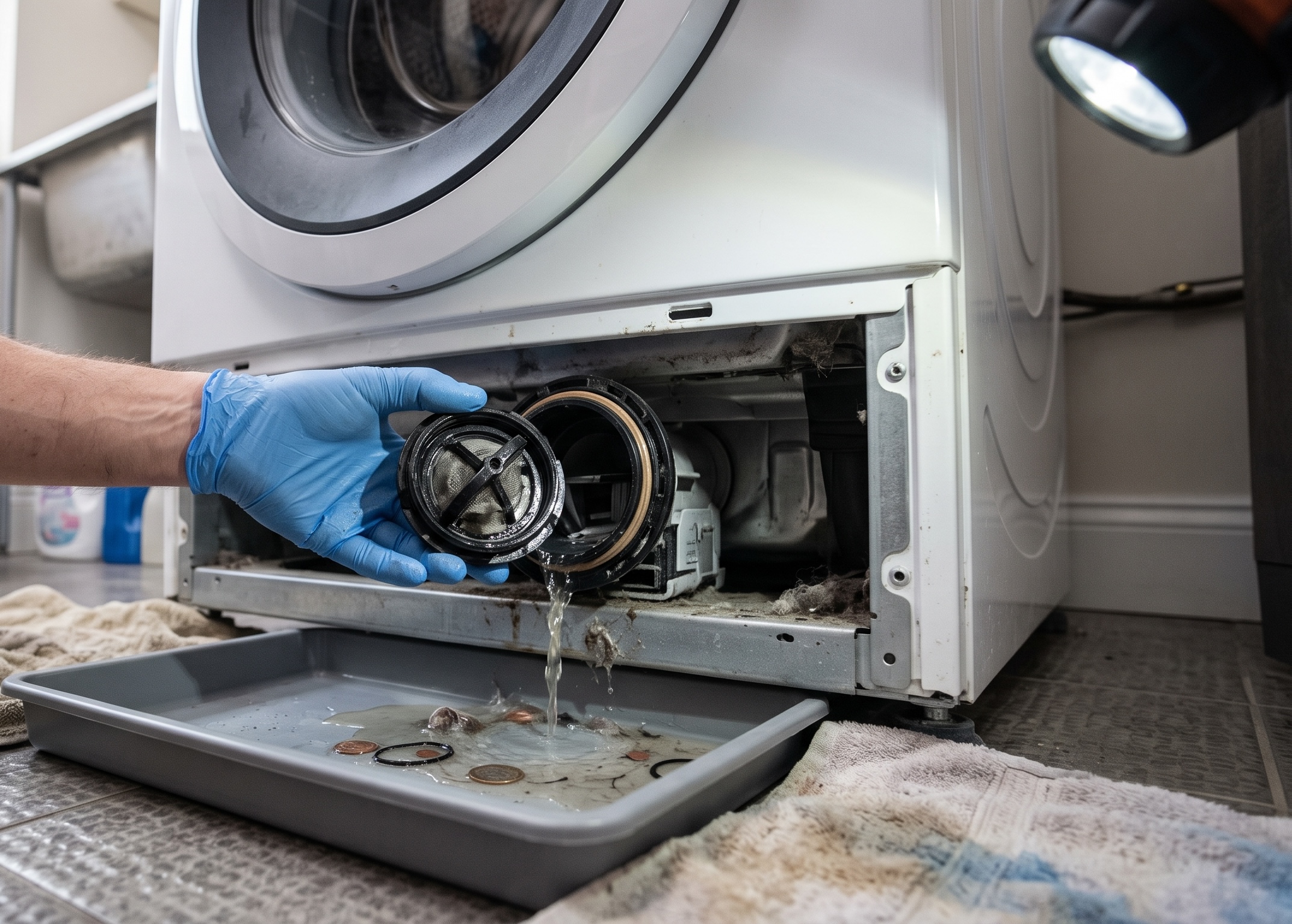
The corrugated hose running from the back of the machine to the standpipe or sink drain kinks easily if the washer has been pushed too close to the wall, and it clogs with the same lint and debris the filter is meant to catch. Pull the machine out and check the hose along its full length for a sharp bend, then disconnect it and look for a blockage at the end that sits in the standpipe, where lint tends to felt together into a solid plug.
A Foreign Object Lodged in the Pump
Small items that get past the filter — a bra underwire, a bobby pin, a coin — can jam the pump impeller directly. This usually produces a distinct humming sound: the pump is trying to spin but cannot. Underwires are the classic offender because they slip through the filter slots edge-on and then wedge across the impeller blades where water pressure alone will never dislodge them.
Standpipe Height and Siphoning
On a fresh installation or after plumbing work, a drain hose looped too high or sitting too low in the standpipe can siphon incorrectly or fail to drain fully. This is a common cause on newly installed machines that never drained properly from day one, which is worth separating from a machine that drained fine for years and then stopped, because the fix is a plumbing adjustment rather than an appliance repair.
A Faulty Lid Switch or Door Lock
Many washers refuse to drain or spin if the control board does not register the lid or door as securely closed. A worn switch can report "open" even when the door looks and feels shut. The giveaway is a machine that fills and agitates normally but never advances to drain or spin, often with no error code at all on older models.
A Failed Drain Pump Motor
When the filter, hose and impeller are all clear and the machine still will not drain, the pump motor itself may have failed electrically. This is the least common cause on the list and the only one that reliably requires a replacement part. It is also why the order matters: five cheaper things come first, and most of the time one of them is the answer. If your machine is fairly new and the pump has already failed, it is worth searching the CPSC recall database for your model number before paying for the part, because a pump or control fault covered by a recall is repaired at the manufacturer's expense rather than yours.
Front-Load Versus Top-Load: Where the Filter Hides
Front-load washers keep their drain pump filter behind a small hinged or removable panel at the bottom front corner, usually nearest the door hinge, with a drain tube tucked beside it to control the water release. Top-load washers vary far more by brand. Some route through a pump behind a rear or bottom panel with no owner-accessible filter at all; others use a lint trap inside the agitator, or a small filter near the drain hose connection at the back. Check your model's manual before concluding there is nothing to clean, because "no visible filter" on a top-loader does not reliably mean there is not one. If your machine genuinely has no serviceable filter, that changes the order of this list: the hose and the standpipe become your first two checks rather than your third and fourth.
What a Humming Pump Actually Means
If you start a drain or spin cycle and hear a steady hum or buzz instead of the normal sound of water leaving the machine, the pump motor is receiving power and attempting to turn, but something is physically stopping the impeller — almost always an obstruction rather than a burned-out motor. Listen for this specifically, because it changes the diagnosis entirely: not "the pump is dead," but "something is lodged in the pump housing," which is usually a far less involved repair. A pump that is genuinely dead is normally silent. Silence plus no drainage points back toward the lid switch, the control board or a wiring fault rather than the pump itself.
Apartment and Co-op Laundry in Yonkers and Mount Vernon
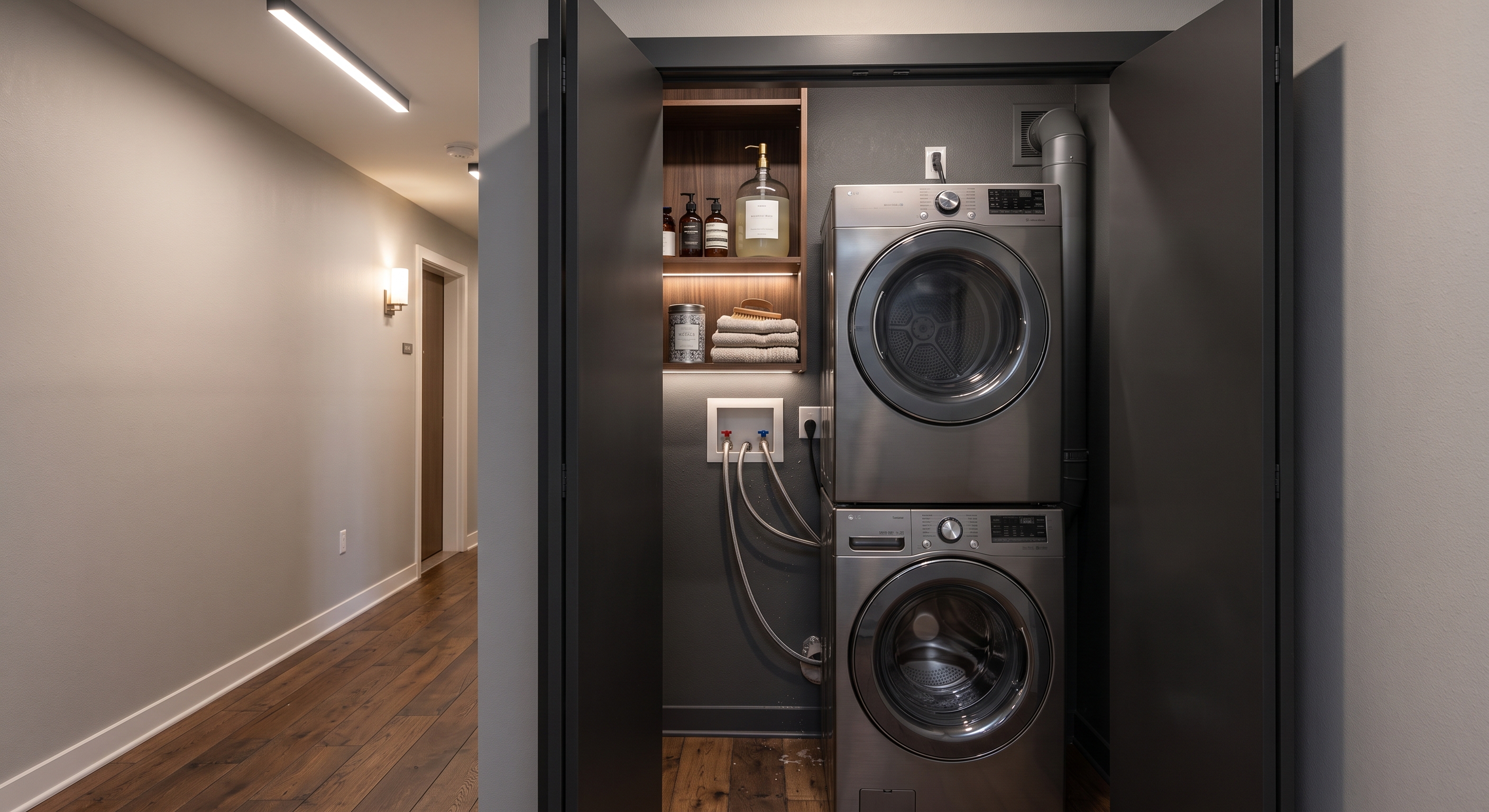
A large share of laundry in Yonkers, Mount Vernon and New Rochelle happens inside apartments, co-ops and two-family homes rather than in a dedicated laundry room, and that changes both the risk and the logistics. Stacked or compact units tucked into a hallway closet sit directly on finished flooring, often above a downstairs neighbour, so a drain failure that would be a nuisance in a basement becomes a liability claim in a building. If your washer will not drain and it lives in a closet, shut the water supply valves as well as the power before you start, and put down more towels than seem necessary.
The second difference is access. Many co-op and condo buildings require any contractor working in a unit to file a certificate of insurance with the managing agent before the building will let them in, and some restrict work to weekday business hours. That paperwork can take a day or two to process, so it is worth asking your management company what they need on file before you book rather than after a technician is standing in the lobby. It is one of the few appliance problems where the building, not the machine, sets the timeline.
Mistakes That Turn a Clog Into a Pump Replacement
The most common way a simple clog becomes a larger repair is running the machine repeatedly while it is not draining, trying to force it through. Each cycle run against a blocked pump puts additional strain on the motor and bearings and can eventually burn out a pump that would have been fine once the actual obstruction was cleared. If a wash cycle finishes with standing water, stop running cycles until you have at least checked the filter. The second mistake is reaching into the drum or the pump housing without unplugging the machine first, which is how people get hurt on a job that was otherwise going fine.
If the filter and hose are clear and the drum is still full, that is the point to book a repair rather than keep experimenting. A technician can test the pump's electrical resistance, check the lid switch and confirm whether the control board is sending a drain signal at all — three tests that take minutes with the right meter and are pure guesswork without one.
- washer
- drain pump
- drain hose
- standing water
- yonkers